

Signs Your Fall Risk Is Increasing
Posted by: Reform Physical Therapy in Health & Wellness on April 17, 2026
Fall risk increasing is something many people experience over time, often without realizing it right away. Changes in balance, strength, mobility, and reaction time can all make falls more likely. These changes may happen slowly, which is why they are often overlooked until a fall or injury occurs. Recognizing the early signs that fall risk is increasing can help prevent injuries and keep you active and independent. The sooner these changes are addressed, the easier it is to improve balance and reduce the risk of falling.
Physical therapy can help identify these signs and create a plan to improve stability and confidence with movement.
Feeling Unsteady While Walking as Fall Risk Is Increasing
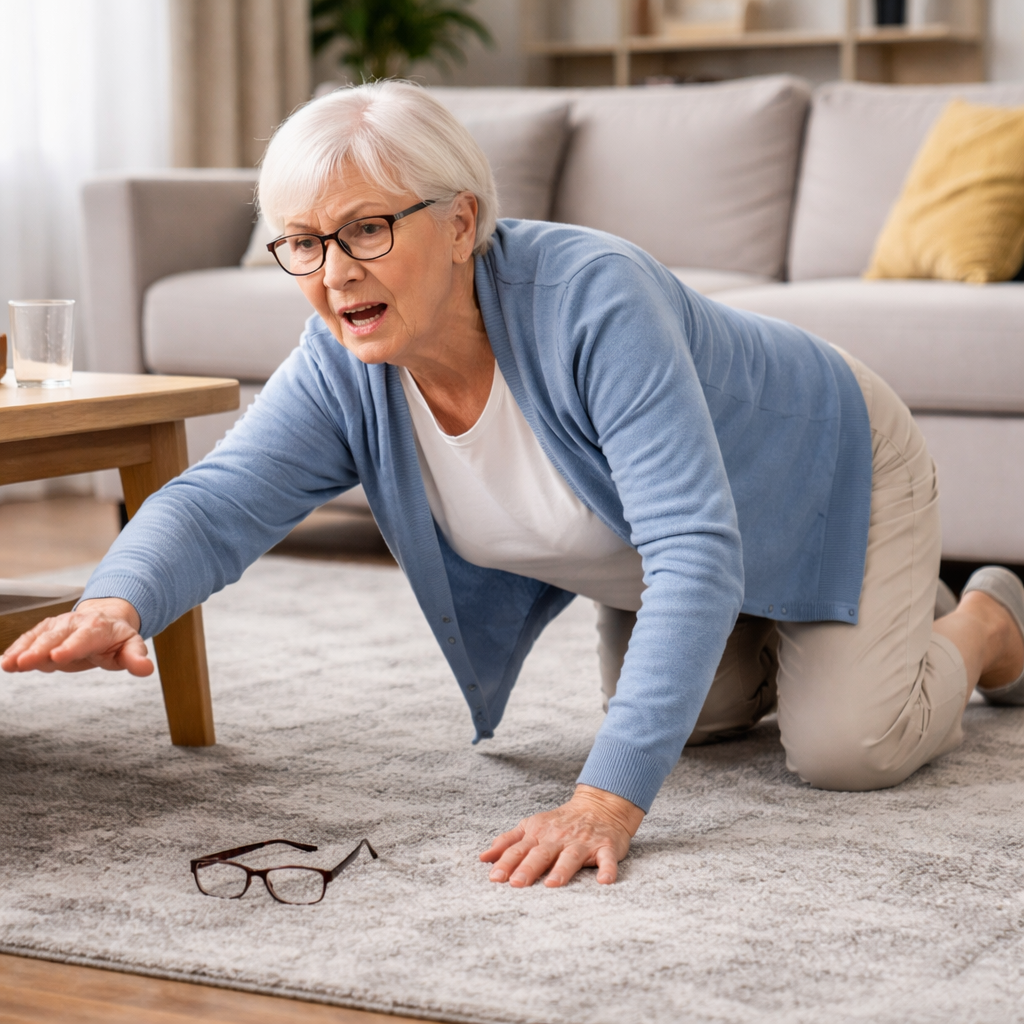
One of the most common signs that fall risk is increasing is feeling unsteady while walking. You may notice that you are more cautious on uneven ground, slower when changing direction, or unsure when walking without support. This can happen when muscles are weaker or when balance is not as strong as it used to be. Even small changes in stability can increase the risk of falling. Improving strength and coordination can help restore confidence while walking.
Holding Onto Furniture or Walls
If you find yourself reaching for furniture, walls, or railings more often, it may be a sign that fall risk is increasing. This behavior often develops when balance feels less reliable.
While it may feel like a simple adjustment, it can indicate that the body is having trouble staying steady on its own. Working on balance and strength can help reduce the need for extra support.

Difficulty With Stairs as Fall Risk Is Increasing
Stairs and uneven ground require strength, coordination, and balance. If these activities feel more challenging than they used to, fall risk may be increasing. You may notice hesitation, slower movement, or a need to hold onto railings more tightly. These are signs that the body is working harder to stay stable. Practicing balance and strengthening exercises can help improve control during these movements.
Slower Reaction Time
Another sign that falls risk is increasing is slower reaction time. If you trip or lose your balance, your body needs to respond quickly to prevent a fall. As reaction time slows, it becomes harder to catch yourself. This can increase the likelihood of falling, especially in unexpected situations. Balance training often includes exercises that improve reaction time and help the body respond more quickly.
Increased Muscle Weakness
Muscle weakness, especially in the legs and hips, can make it harder to stay balanced. When the muscles are not strong enough to support movement, the body may feel unstable. This is a common reason fall risk is increasing, especially for people who are less active or recovering from injury. Strengthening exercises can help improve stability and reduce the risk of falling.
Avoiding Activities Due to Fear of Falling and Balance Problems
If you have started avoiding certain activities because you are afraid of falling, this is an important sign that fall risk is increasing. Fear of falling can lead to less movement, which can make the body weaker over time. This can create a cycle where reduced activity leads to more weakness and higher fall risk. Addressing balance and strength early can help break this cycle and improve confidence.
How Physical Therapy Helps Reduce Fall Risk
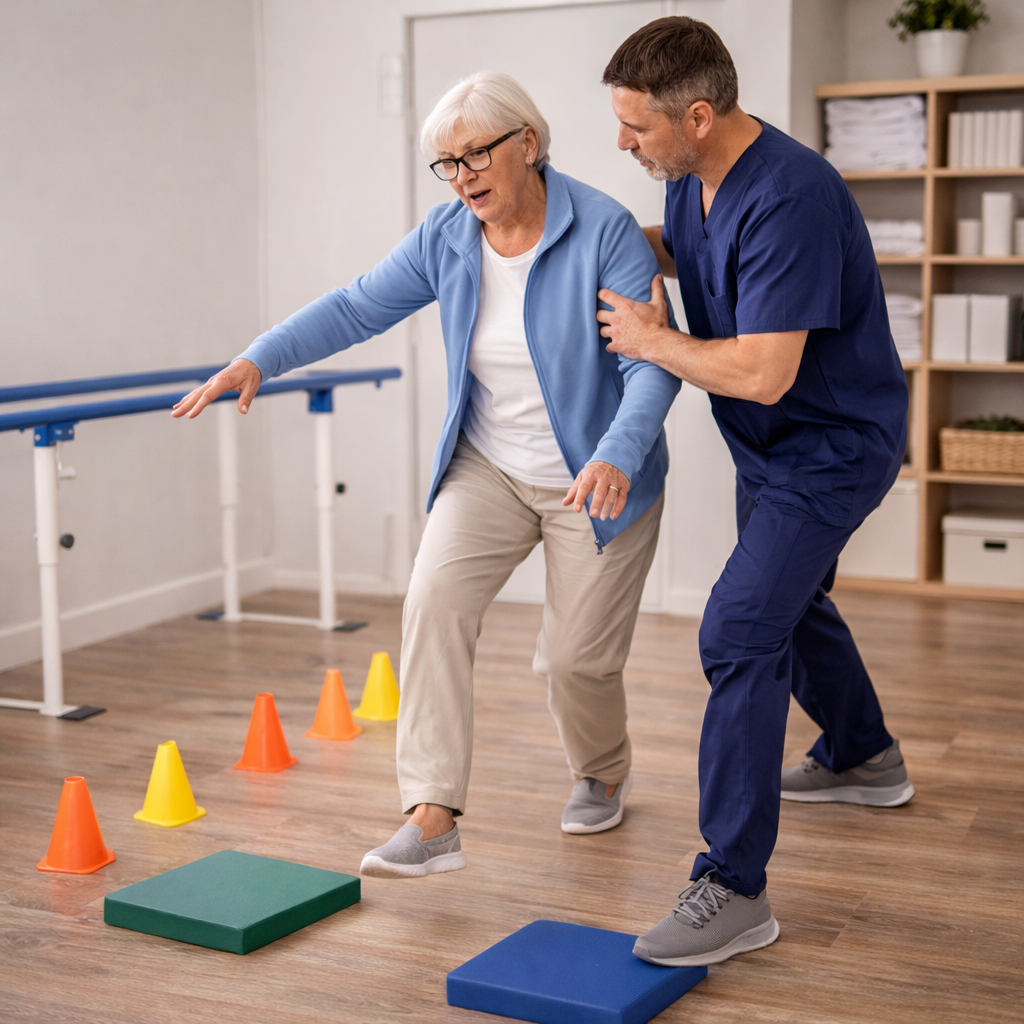
Physical therapy can help identify the reasons fall risk is increasing and create a plan to improve balance, strength, and coordination. Treatment may include exercises, walking training, and movement strategies to help you stay steady.
Therapists focus on improving how the body moves in real-life situations so patients feel more confident in their daily activities. According to the National Institute on Aging, regular exercise and balance training can help reduce fall risk and improve mobility.
Fall Prevention at Reform Physical Therapy
At Reform Physical Therapy, we help patients recognize the signs that fall risk is increasing and take steps to improve stability. Our therapists provide one-on-one care and create personalized programs based on each patient’s needs. We focus on improving strength, balance, and confidence so patients can stay active and independent.
Fall risk increasing is not always obvious, but recognizing the signs early can make a big difference. Feeling unsteady, relying on support, or avoiding activities are all signals that the body may need help. With the right exercises and guidance, it is possible to improve balance, reduce fall risk, and stay active. Physical therapy can help you move more confidently and safely in your daily life.
If you have noticed changes in your balance or feel less steady than you used to, our team at Reform Physical Therapy is here to help. We provide one-on-one care to improve strength, stability, and confidence with movement. Contact us today to schedule an appointment and take the first step toward reducing your fall risk.