

Work Shouldn’t Hurt: How Physical Therapy Supports Workers’ Comp Recovery
Posted by: Reform Physical Therapy in Workers’ Compensation Recovery on August 31, 2025
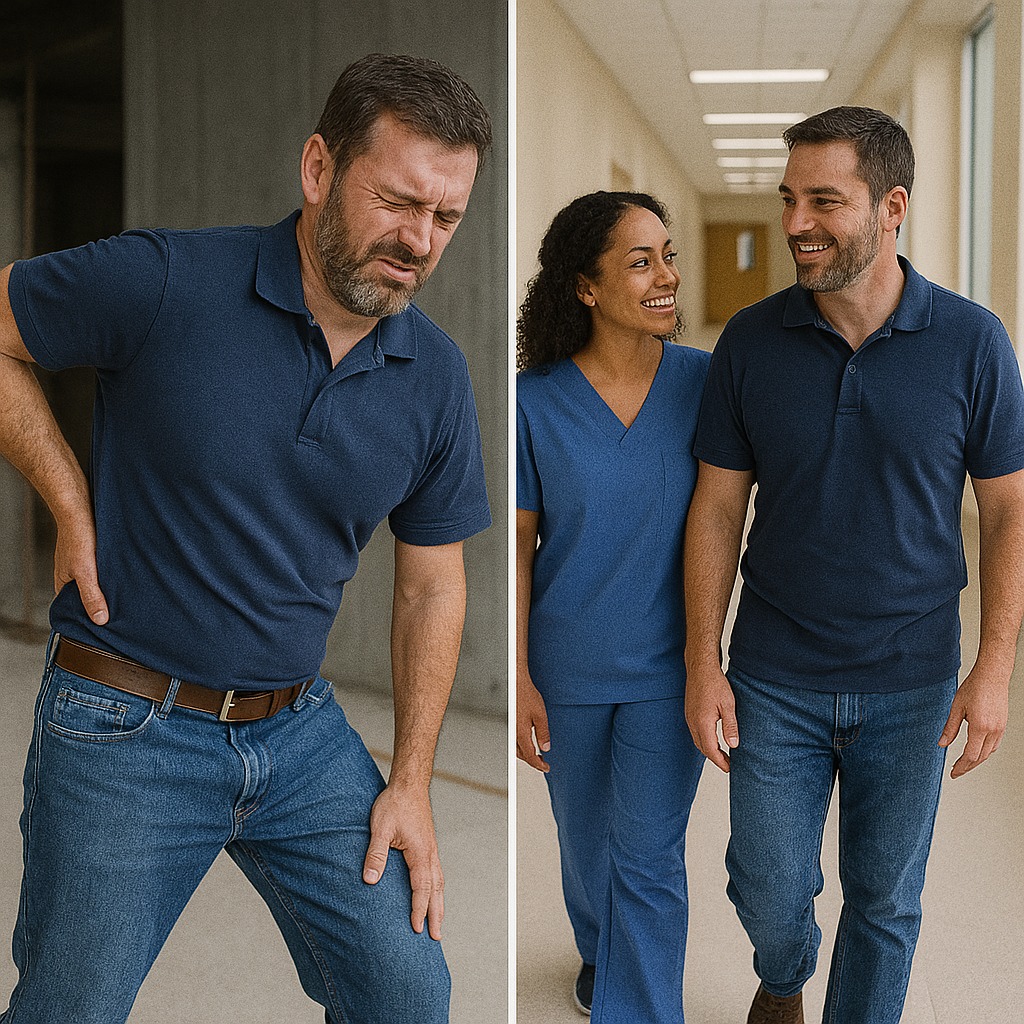
When you get hurt on the job, it doesn’t just affect your body—it impacts your livelihood, your routines, and your peace of mind. Whether you’re lifting heavy materials, sitting at a desk all day, or on your feet for long shifts, workplace injuries are more common than most people realize. The good news? Physical therapy can play a vital role in helping you recover, rebuild strength, and safely return to work.
Common Workplace Injuries We See
Every job has its physical demands, and those demands can lead to different types of injuries. At Reform Physical Therapy, we frequently help patients with:
- Repetitive strain injuries (like carpal tunnel or tendonitis)
- Back and neck pain from heavy lifting or poor posture
- Sprains, strains, and overuse injuries from repetitive movements
- Slip, trip, and fall injuries in busy workplaces
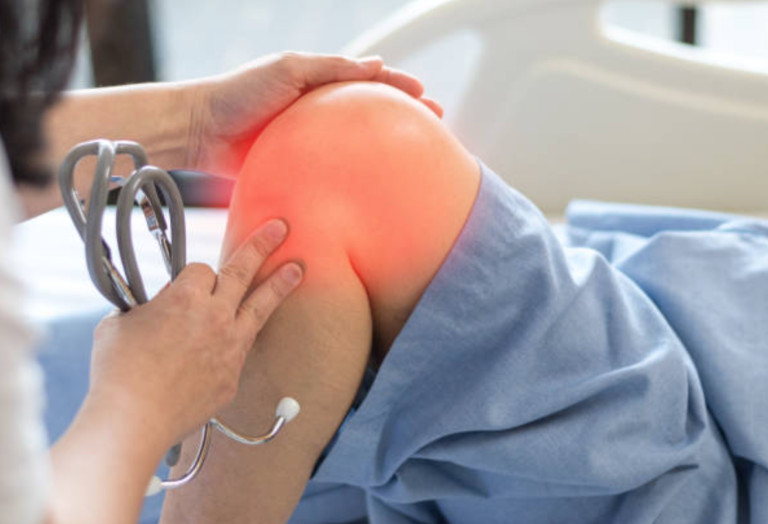
- Shoulder and knee injuries from awkward motions or accidents
Even jobs that seem “low risk,” like office work, can create long-term issues if posture and ergonomics aren’t addressed.
Why Physical Therapy Matters for Workers’ Comp
Physical therapy is often a required part of the workers’ comp recovery process—and for good reason. Here’s why it’s so important:
- Faster Recovery: PT helps reduce pain and improve mobility, so you can heal more quickly.
- Safe Return to Work: Therapy is focused on restoring the specific movements and strength you need for your job.
- Injury Prevention: Our therapists teach techniques and exercises that reduce the chance of the same injury happening again.
- Personalized Care: Every treatment plan is tailored to your unique injury, job, and long-term health goals.
What to Expect at Reform PT
From your very first appointment, you’ll get one-on-one time with a licensed physical therapist. We’ll listen to your story, review your injury, and create a treatment plan designed just for you. This may include:
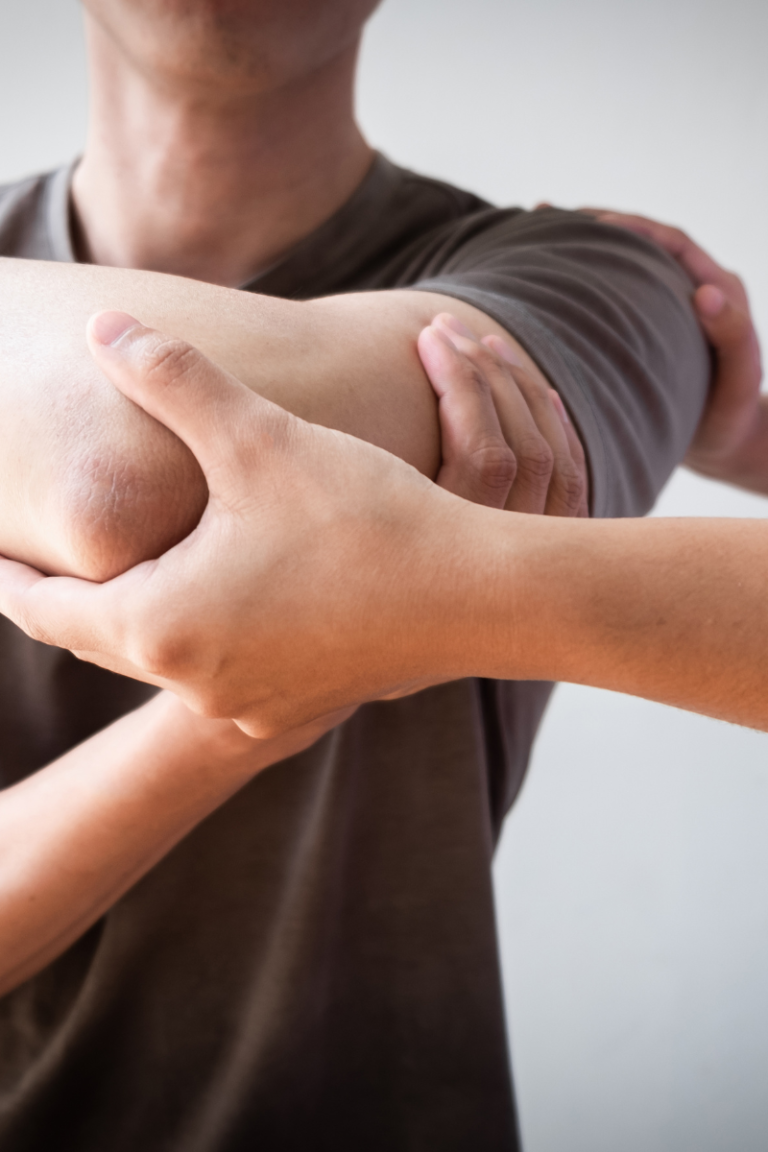
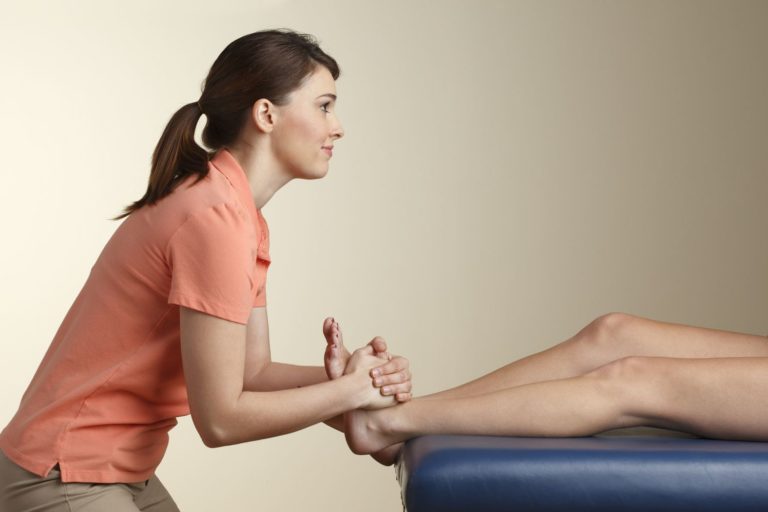
- Hands-on therapy for pain relief
- Targeted strengthening and flexibility exercises
- Education on body mechanics and workplace ergonomics
- Gradual return-to-work programs designed for your job requirements
Our goal is simple: to help you get back to work safely, confidently, and stronger than before.
For Employers and Case Managers
We know how important it is for employers to have healthy, reliable team members. Reform PT partners with local businesses, case managers, and insurers to make the process smooth and efficient. Our team communicates progress clearly and works with all parties to ensure patients can return to work safely and without unnecessary delays.
Let’s Get You Back on Your Feet
If you’ve been injured at work and are navigating the workers’ comp process, you don’t have to do it alone. We accept workers’ compensation patients and can often schedule your first appointment within a day.
Work shouldn’t hurt—let us help you move, recover, and thrive.
Ready to Get Back to Work?
Work injuries can feel overwhelming, but recovery doesn’t have to be. At Reform Physical Therapy, we make it simple: one-on-one care, fast scheduling, and a plan designed to get you back to work safely and stronger than before.
Schedule your workers’ comp appointment today!
More from our blog
-
Signs Your Fall Risk Is Increasing
Fall risk increasing is something many people experience over time, often without realizing it right away. Changes in balance, strength, mobility, and reaction time can all make falls more likely. These changes may happen slowly, which is why they are often overlooked until a fall or injury occurs. Recognizing the early signs that fall risk… Read More
-
How to Avoid Stiffness After Surgery
After a procedure, many patients notice tightness or limited movement as they begin healing. Learning how to avoid stiffness after surgery is an important part of recovery and can help improve comfort, mobility, and long-term results. Stiffness can develop when joints are not moving, muscles become tight, or swelling limits motion. While some stiffness is… Read More
-
What to Expect After Rotator Cuff Surgery
Rotator cuff surgery recovery can take time, and many patients are unsure what to expect after their procedure. The rotator cuff is a group of muscles and tendons that help stabilize the shoulder and allow it to move properly. After surgery, the shoulder needs time to heal, and the recovery process plays a major role… Read More
-
What Is Manual Therapy in Physical Therapy?
Manual therapy physical therapy is a hands-on treatment used to reduce pain, improve movement, and help the body heal after injury. Many people are not sure what manual therapy is, but it is a common part of physical therapy treatment for back pain, neck pain, joint stiffness, and muscle tightness. Manual therapy physical therapy involves… Read More
-
What Is Dry Needling and How Does It Help Pain?
Many patients ask what dry needling is and how it works to reduce pain. It is is a treatment used by physical therapists to help relieve muscle tightness, improve movement, and reduce discomfort. It involves using a very thin needle to target tight areas in the muscle called trigger points. Understanding this treatment can help… Read More
-
How Physical Therapy Reduces Pain Without Medication
Physical therapy pain relief is a safe and effective way to treat injuries, joint problems, and everyday discomfort without relying on medication. Many people believe pain can only be treated with pills, but physical therapy pain relief works by improving how the body moves and functions. Pain often develops because of muscle weakness, stiffness, poor… Read More